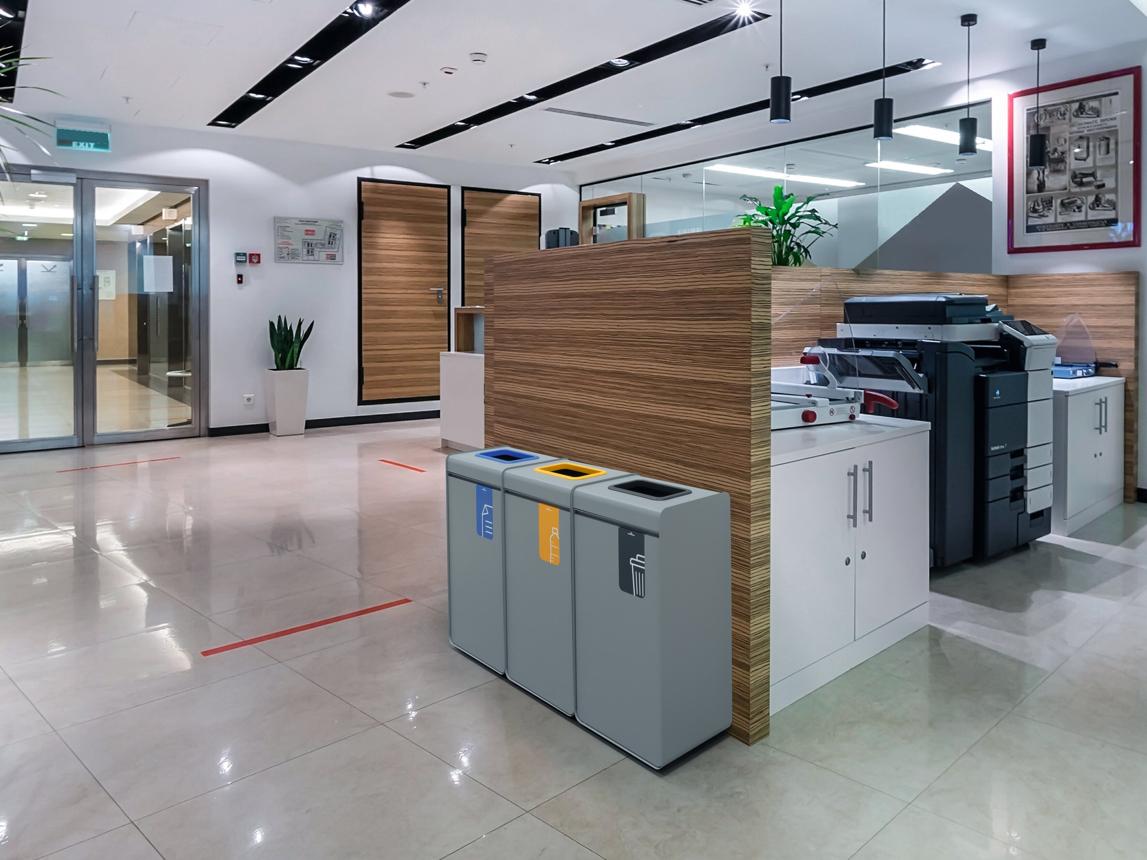
Waste Management Canberra: Building a More Sustainable Workplace
14/10/2026
Common Mistakes Homeowners Make When Choosing Trash Bins
14/10/2026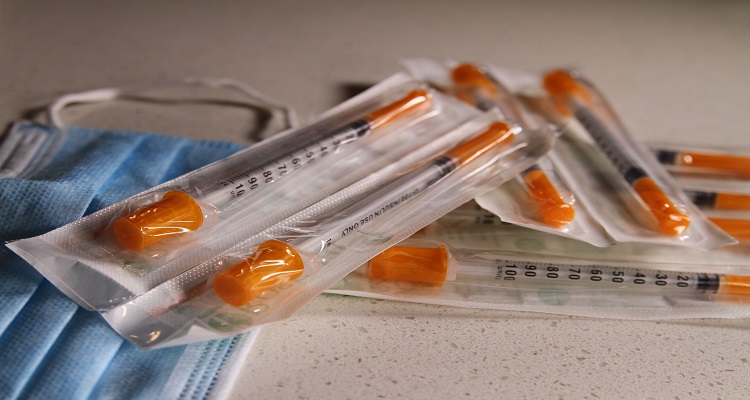
Sharps such as needles, syringes and lancets are commonly used in healthcare and medical environments. Once used, these items require careful handling and disposal to help protect staff, patients, cleaners and waste workers from accidental injuries.
A well-managed clinical waste disposal system provides a dedicated process for handling sharps and other healthcare-related waste. It also supports cleaner, safer working environments.
Why Safe Sharps Disposal Matters
Used sharps can present a serious risk when they are placed in general waste or left in areas where people may come into contact with them. Accidental contact can result in puncture injuries and potential exposure to contaminated materials.
For this reason, sharps should be kept separate from ordinary rubbish and placed into suitable sharps disposal containers. These containers are designed to safely contain sharp objects and reduce the likelihood of accidental contact.
Protecting Healthcare Staff
Doctors, nurses, support staff and cleaners may encounter sharps during their daily duties. Clear disposal systems help reduce the chance of staff coming into contact with incorrectly discarded items.
Appropriate containers should be readily available in areas where sharps are regularly used. Regular servicing also helps prevent containers from becoming overfilled, which can create additional handling risks.
A specialised clinical waste disposal service can provide scheduled collection and appropriate handling of clinical waste, helping healthcare facilities maintain consistent waste management practices.
Protecting Patients and Visitors
Patients and visitors can also be exposed to risks when clinical waste is not managed properly. A misplaced needle or other sharp object can create an unexpected hazard in treatment areas, bathrooms, waiting areas or other parts of a healthcare facility.
Secure waste containers and regular collection help keep used sharps contained and away from areas accessible to patients and visitors.
Protecting Waste Workers
Waste workers handle discarded materials as part of their regular duties. Incorrectly disposed sharps can create risks when general rubbish is collected, transported or processed.
Separating clinical waste at the point of disposal helps ensure sharps remain within the appropriate waste stream. Professional waste services can then manage collection and handling according to the requirements of the facility.
Building a Consistent Waste Management System
Effective sharps disposal depends on more than having a container available. Healthcare facilities need appropriate collection schedules, suitable waste storage and reliable servicing.
Specialised hygiene providers can assess a facility’s requirements and establish servicing arrangements based on the type and volume of clinical waste produced.
Frequently Asked Questions
Why should sharps be separated from general waste?
Separating sharps reduces the risk of accidental contact and injuries during cleaning and waste handling.
Who can be exposed to incorrectly discarded sharps?
Healthcare staff, patients, cleaners, visitors and waste workers may all face risks from improperly discarded sharps.
How often should clinical waste be collected?
Collection frequency depends on the type and volume of waste generated and the needs of the facility.